Best Yarn & Crochet Hooks for Amigurumi – A Complete Guide
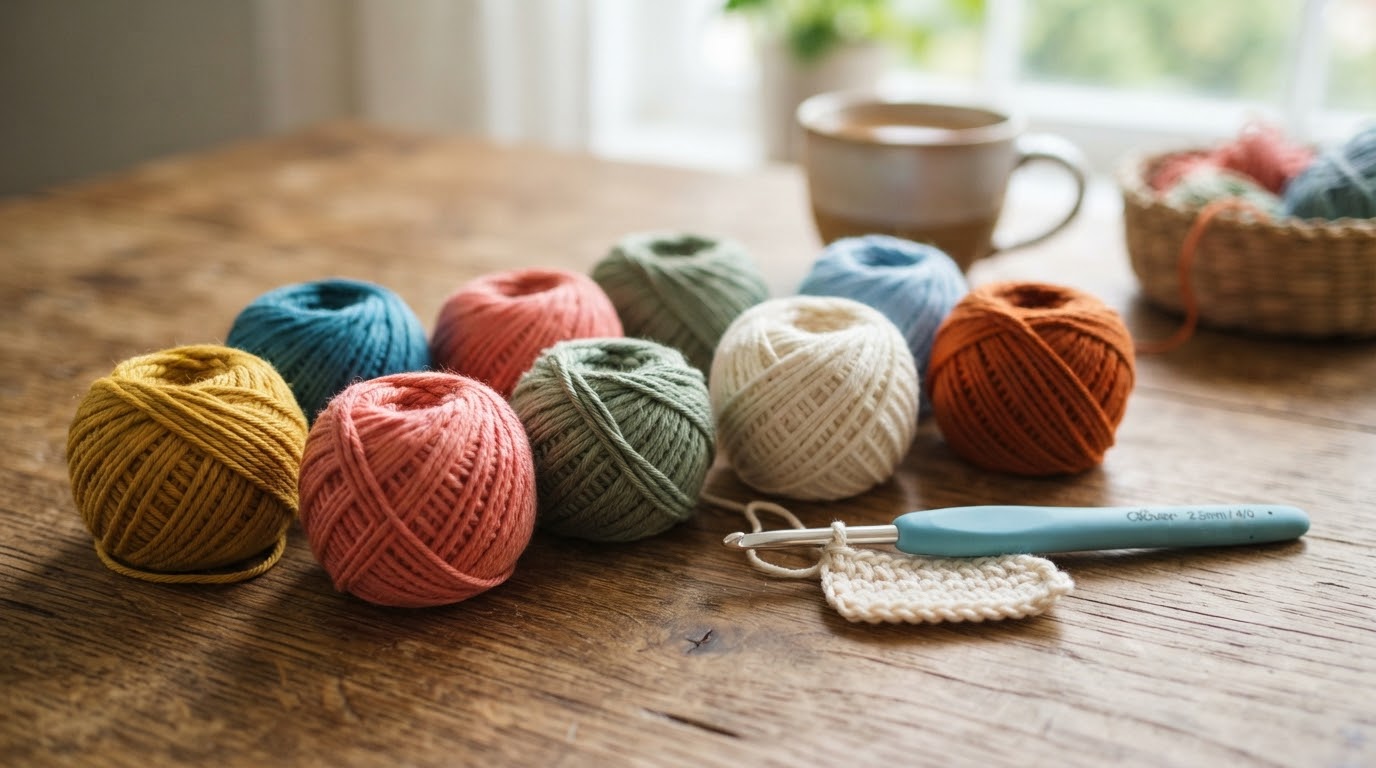
Choosing the Best Yarn for Amigurumi: Essential Tips & Materials
The yarn and hook you choose can make a noticeable difference in amigurumi. The right combination helps you create firm stitches, keep the shape of the piece, and work comfortably.
Cotton is a common choice for small amigurumi because it gives clear stitch definition, while chenille and velvet yarns are useful when you want a softer, plush finish. Your hook size should also match the yarn and your tension rather than following one fixed size for every project.
Best Yarn Types for Amigurumi
Cotton Yarn
Cotton yarn is a popular choice for amigurumi because it has good stitch definition and helps small pieces keep their shape. It works especially well for detailed projects and keychains.
Acrylic Yarn
Acrylic yarn is lightweight, widely available, and usually less expensive than cotton. It can give amigurumi a softer feel, although the stitches may not look as defined.
Velvet or Chenille Yarn
Velvet and chenille yarns are useful when you want a soft, plush finish. They are especially popular for larger stuffed amigurumi. The fuzzy texture can make individual stitches harder to see, so they may take some practice.
Wool Blends
Wool-blend yarns have more elasticity than cotton and can give finished pieces a different texture. They can work well for amigurumi, although the result will depend on the specific fiber blend and yarn weight.
Yarn Weight and Texture
Yarn weight affects the size of your amigurumi and how easy it is to see the stitches. Fine and DK yarns are useful for small projects and keychains, while worsted-weight yarn works well for many small and medium-sized stuffed figures. Chunky yarn can be used when you want a larger, softer amigurumi.
The yarn’s texture also matters. Smooth yarn with clear plies makes it easier to see your stitches and keep increases and decreases even. Very fuzzy or loosely spun yarn can make the stitches harder to see, especially when you are working on small pieces.
If you are following a crochet pattern, start with the yarn weight suggested in the pattern. You can use a different yarn, but changing the yarn weight will usually change the finished size of the amigurumi.
Yarns That Can Be Difficult for Amigurumi
Some yarns are harder to work with for amigurumi, especially when you are still learning.
Very fuzzy yarn can hide individual stitches, making it difficult to count rounds or see increases and decreases. Loosely spun yarn can also split while you crochet, which can be frustrating when working on small pieces.
This does not mean you cannot use these yarns. They may work well for certain designs, especially when you want a fuzzy or textured finish. For detailed amigurumi, however, a smooth yarn is usually easier to control.
Choosing the Best Crochet Hook for Amigurumi
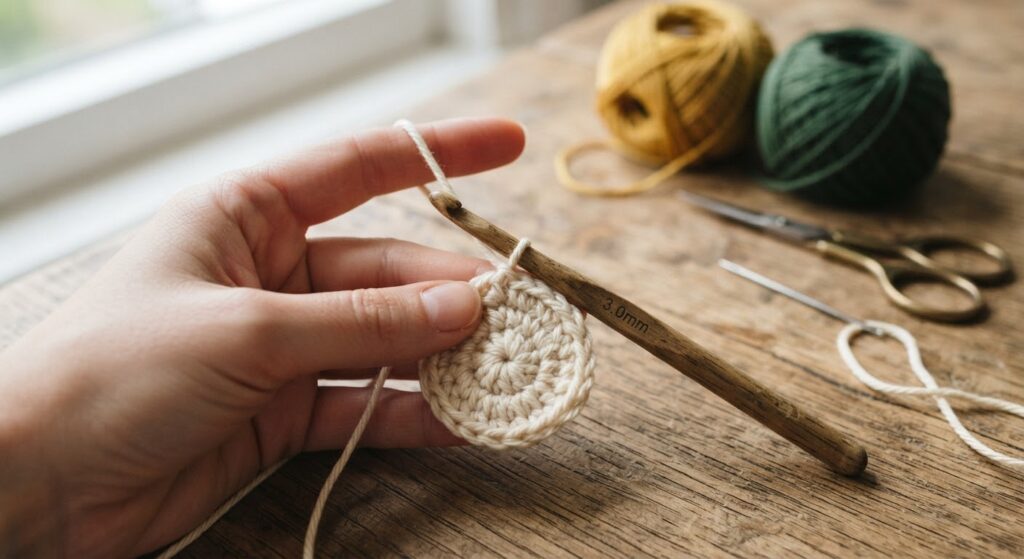
There is no single hook size that works for every amigurami project. Choose a hook that works well with your yarn and gives you a firm fabric without making the stitches difficult to work.
Smaller Hooks
Hooks around 1.75–2.5 mm are often used with fine cotton yarn for small amigurami and keychains. They can help create a firm fabric with small, defined stitches.
Medium Hooks
Hooks around 2.5–3.5 mm are common for DK or light worsted yarn and medium-sized amigurami. The best size depends on your yarn and crochet tension.
Larger Hooks
Hooks around 4–5 mm can be suitable for chunky, chenille, or velvet yarns, depending on the yarn weight and the fabric you want to create.
Ergonomic Hooks
Ergonomic crochet hooks have shaped handles that can make crocheting more comfortable during longer projects. They do not change the quality of your stitches, so choose one mainly for comfort and grip.
How to Test Your Yarn and Hook
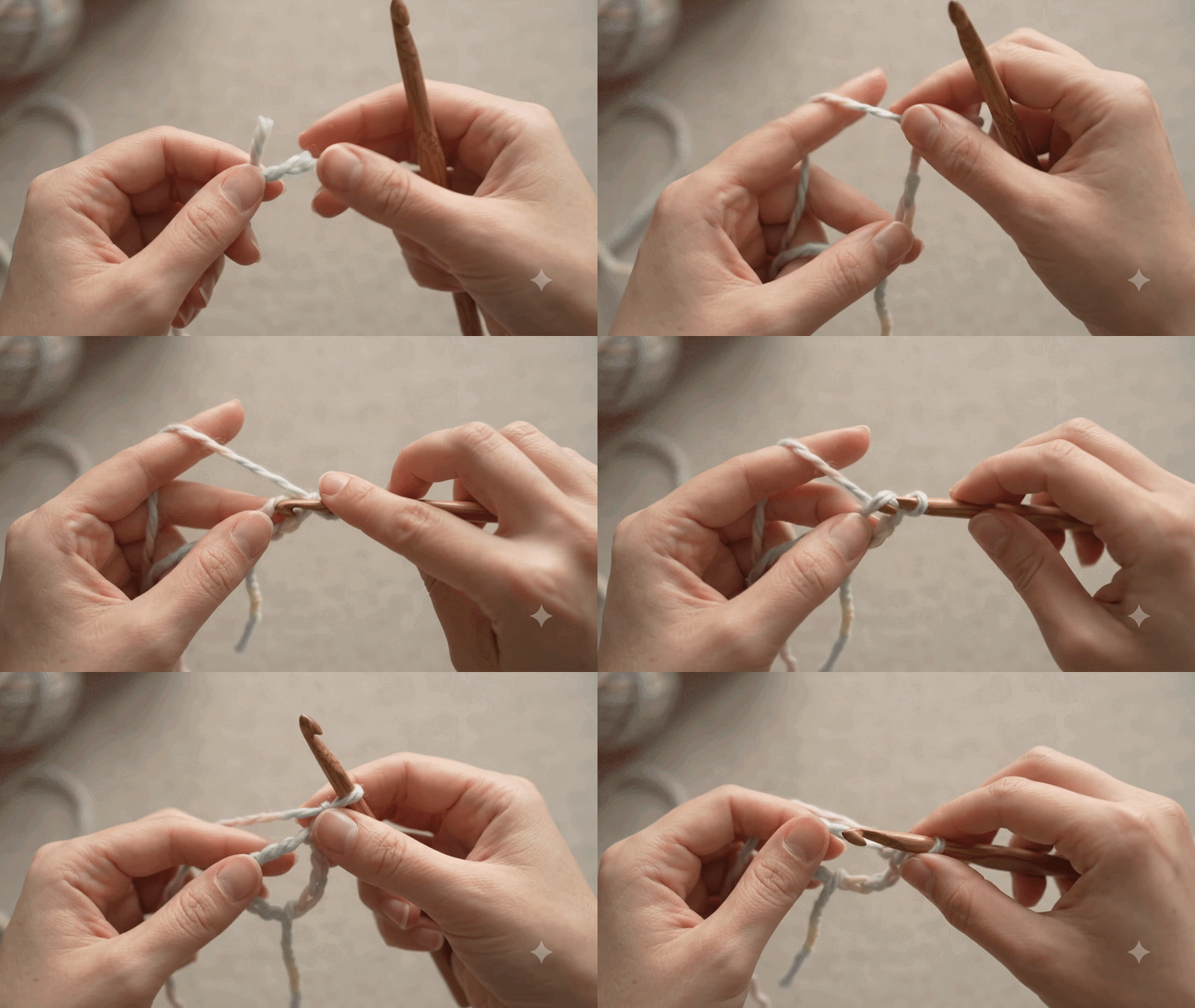
Before starting a full amigurumi project, crochet a small sample with the yarn and hook you plan to use.
Check the fabric after a few rounds. The stitches should be close enough that the stuffing does not easily show through, but the fabric should not be so tight that the hook is difficult to insert.
If the fabric feels too loose, try a smaller hook. If it feels unusually stiff or difficult to crochet, try a slightly larger hook.
This quick test can also help you see how the yarn behaves before you spend time making the whole project.
Changing Yarn in an Amigurumi Pattern
You can use a different yarn from the one listed in a pattern, but the finished amigurumi may not be the same size.
If you change the yarn weight, you may also need to change the hook size. A thicker yarn will usually make a larger piece, while a finer yarn will usually make a smaller one.
For a similar result, choose a yarn with a similar weight and fiber type to the original. Always check your stitch tension and the size of the finished pieces as you work.
Bonus Tips for Amigurumi
- For a firm amigurami fabric, many crocheters use a smaller hook than the yarn label recommends. Choose a size that keeps your stitches tight but still comfortable to work.
- Check the yarn thickness before starting. Using a very small hook with thick yarn can make the project difficult to crochet.
- Add stuffing gradually as you work instead of filling the piece all at once. This helps you control the shape and avoid overstuffing.
- Keep your tension consistent throughout the project so the finished piece has an even appearance.
Yarn and Hook Size Quick Guide
The best hook size depends on the yarn, your tension, and the type of amigurami you are making. These ranges are useful starting points, but you may need to adjust the hook size to get the fabric you want.
| Yarn Type | Common Hook Range | Good For |
| Fine cotton yarn | 1.75–2.5 mm | Small amigurami and keychains |
| DK or light worsted yarn | 2.5–3.5 mm | Small to medium amigurami |
| Chenille or velvet yarn | 3.5–5 mm | Soft and plush amigurami |
| Chunky yarn | 4–6 mm | Larger stuffed amigurami |
If your stitches look loose and the stuffing is easily visible, try a smaller hook. If the stitches are difficult to work or the fabric feels too stiff, try a slightly larger hook.
Frequently Asked Questions
What is the best yarn for amigurumi?
Cotton yarn is a popular choice because it has clear stitch definition and works well for small, detailed projects. However, acrylic, chenille, velvet, and wool-blend yarns can also work depending on the project.
What size crochet hook should I use for amigurumi?
There is no universal hook size. A smaller hook is often used to create a firm fabric, but the correct size depends on your yarn weight and crochet tension.
Why can I see the stuffing through my stitches?
The stitches may be too loose for the yarn and hook combination. Try using a smaller hook or adjusting your tension. Avoid adding too much stuffing, as it can also push fiberfill through the stitches.
Can I use a different yarn than the pattern recommends?
Yes. Keep in mind that changing the yarn weight or fiber can change the size, texture, and appearance of the finished amigurumi. A similar yarn weight will usually give a more predictable result.

Yorum gönder