Easy Crochet Guide for Beginners: Tips, Stitches & Projects
Crochet is a wonderful craft to learn if you enjoy making things with your hands. Whether you’re completely new to crochet or looking to improve your basic skills, starting with the right techniques can make learning much easier. With just a crochet hook, some yarn, and a little practice, you can learn basic stitches and begin making simple projects such as amigurumi, home accessories, and handmade gifts.
Why Crochet Is a Great Hobby for Beginners
One of the nicest things about crochet is that you can start small. You don’t need a large collection of supplies or years of experience to make your first project. In fact, learning a few basic stitches is often enough to begin creating something useful or decorative.
Crochet can also be a relaxing way to spend some quiet time. Once you become familiar with the basic movements, repeating stitches can feel almost meditative. You can crochet while listening to music, watching a favorite show, or simply taking a break from a busy day.
Another advantage is that you can choose projects according to your skill level. A beginner might start with a simple coaster or keychain, while someone with more experience may enjoy making amigurumi, bags, home decor, or larger projects.
Here are a few reasons crochet is a great hobby for beginners:
- You only need a few basic supplies. A crochet hook, suitable yarn, scissors, and a yarn needle are enough for many beginner projects.
- You can start with small projects. Small items allow you to practice without spending weeks on your first project.
- Basic stitches can be used in many ways. Once you learn stitches such as chain, single crochet, half double crochet, and double crochet, you can use them in countless patterns.
- You can learn at your own pace. There is no need to master everything at once. Practicing one technique at a time can make the learning process less overwhelming.
- Crochet gives you room to be creative. You can experiment with different colors, yarns, shapes, and combinations as your skills improve.
- Handmade projects can be meaningful gifts. A small crocheted item can be personalized by choosing colors and designs that suit the person receiving it.
Perhaps the most rewarding part of learning crochet is seeing your progress. A first project may not look perfect, but each new project gives you another opportunity to improve your tension, stitch control, and understanding of patterns.
Essential Crochet Tools and Materials for Beginners
If you’re completely new to crochet, it’s easy to feel overwhelmed by the number of hooks, yarns, needles, and accessories available. The good news is that you don’t need all of them to get started. A small collection of basic supplies is enough for your first few projects.
1. Yarn
Choosing the right yarn can make learning crochet much easier. For beginners, smooth yarn in a light or medium color is usually a good choice because the individual stitches are easier to see.
A few beginner-friendly options include:
- Cotton yarn: A popular choice for amigurumi because it creates a firm fabric and helps small shapes hold their structure.
- Acrylic yarn: An affordable and versatile option that comes in many colors and is useful for a wide range of projects.
- DK or worsted-weight yarn: These medium-weight yarns are often easier for beginners to handle because the stitches are large enough to see clearly.
When you’re learning, try to avoid very fluffy, furry, or highly textured yarn. These yarns can hide the stitches and make it harder to see where your hook needs to go.
2. Crochet Hooks
Crochet hooks come in many different sizes, and the best size depends on the yarn and the project.
For a beginner, a hook around 4.0–5.0 mm can be a comfortable starting point for practicing basic stitches with medium-weight yarn. Smaller hooks, such as 2.0–4.0 mm, are commonly used for amigurumi and other small projects.
Always check the yarn label for the manufacturer’s recommended hook size. Your crochet pattern may also specify a particular hook size.
For amigurumi, crocheters often use a smaller hook than the yarn label recommends because tighter stitches help prevent stuffing from showing through the finished piece.
3. Yarn or Tapestry Needle
A yarn needle has a large eye and a blunt tip, making it useful for weaving in yarn ends and sewing crochet pieces together.
If you make amigurumi, you’ll also use a yarn needle to attach parts such as ears, arms, legs, or other details to the body.
4. Stitch Markers
Stitch markers are especially helpful when crocheting in rounds. They can show you where a round begins or help you keep track of a particular stitch.
You don’t necessarily need a special crochet stitch marker. A small piece of contrasting yarn can also work as a temporary marker.
5. Scissors
A small, sharp pair of scissors makes it easier to cut yarn cleanly when you finish a project or need to change colors.
You don’t need an expensive pair specifically made for crochet. Any good-quality scissors that cut yarn cleanly will work.
6. Polyester Fiberfill
If you want to make stuffed projects such as amigurumi, you’ll need stuffing to give your crochet pieces their shape.
Polyester fiberfill is commonly used for amigurumi. Add it gradually as you crochet rather than filling the piece all at once. This makes it easier to distribute the stuffing evenly and avoid unwanted bumps.
7. Measuring Tape
A measuring tape is useful when a pattern gives a specific finished size. It can also help you check your gauge when size matters.
For simple beginner projects, you may not need one immediately, but it becomes increasingly useful as you start making clothing, bags, and other projects where accurate measurements are important.
A Simple Beginner Crochet Kit
If you’re wondering what to buy first, you can keep it simple:
- One or two smooth yarns
- A crochet hook that matches your yarn
- Scissors
- A yarn or tapestry needle
- A few stitch markers
- Polyester fiberfill if you plan to make amigurumi
You can always add more hooks, yarns, and accessories later. Starting with a small collection makes it easier to learn without spending money on tools you may not use.
Easy Crochet Projects for Beginners
When you’re learning crochet, your first project can have a big impact on how confident you feel. Starting with something small gives you a chance to practice basic stitches without becoming frustrated by a complicated pattern.
Try to choose a project that uses stitches you already know and doesn’t require too much shaping. Once you become comfortable with the basics, you can gradually move on to more detailed designs.
1. Mini Crochet Keychains
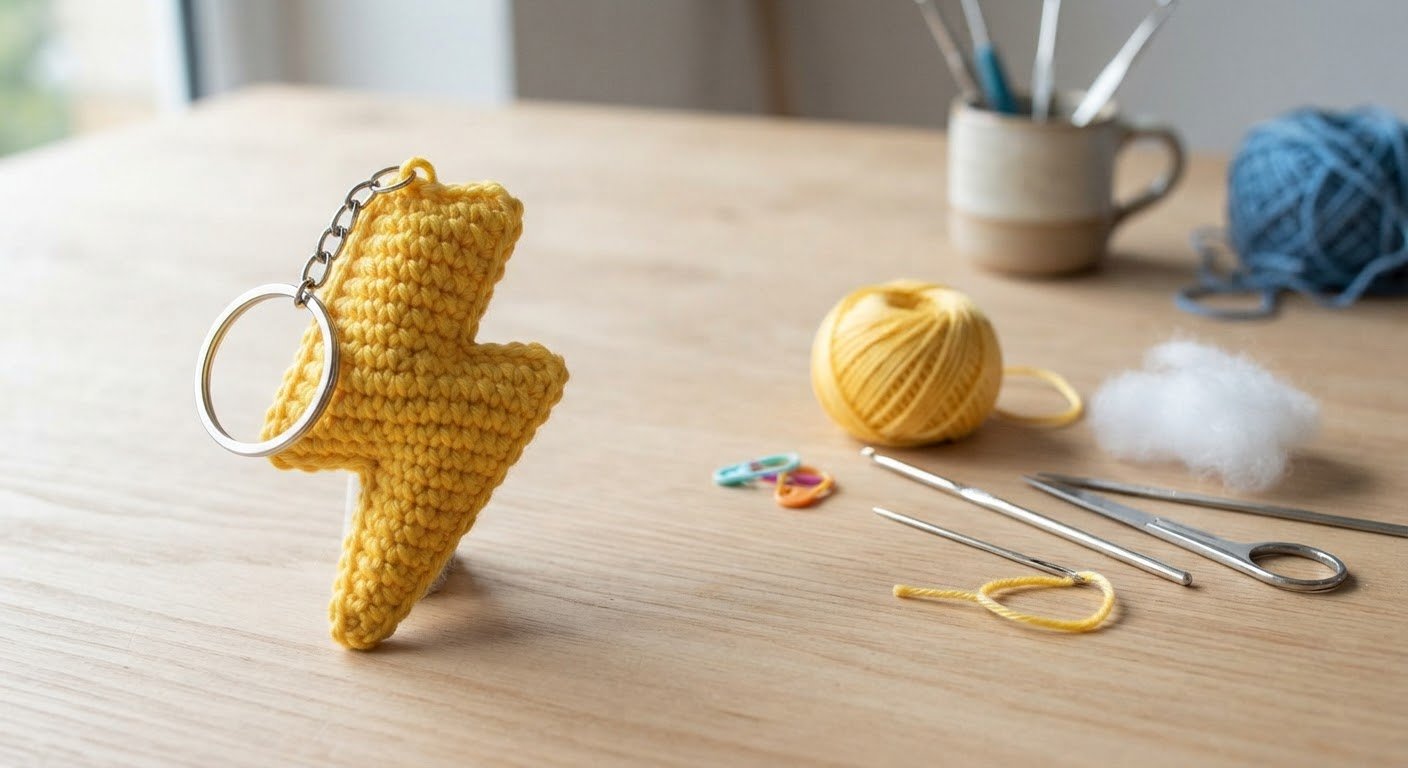
Small keychains are a great way to practice crochet because they require only a small amount of yarn and can usually be completed in a short time.
Simple shapes such as hearts, stars, flowers, fruits, or tiny animals can help you practice basic stitches as well as increases and decreases. They are also useful if you want to experiment with different colors without using a full skein of yarn.
2. Simple Crochet Coasters
Crochet coasters are another practical project for beginners. They can be worked in rows or in the round, depending on the pattern.
A simple coaster gives you an opportunity to practice keeping your stitches even and maintaining consistent tension. You can also make several coasters using different colors or stitch combinations once you become more comfortable.
3. Beginner Amigurumi
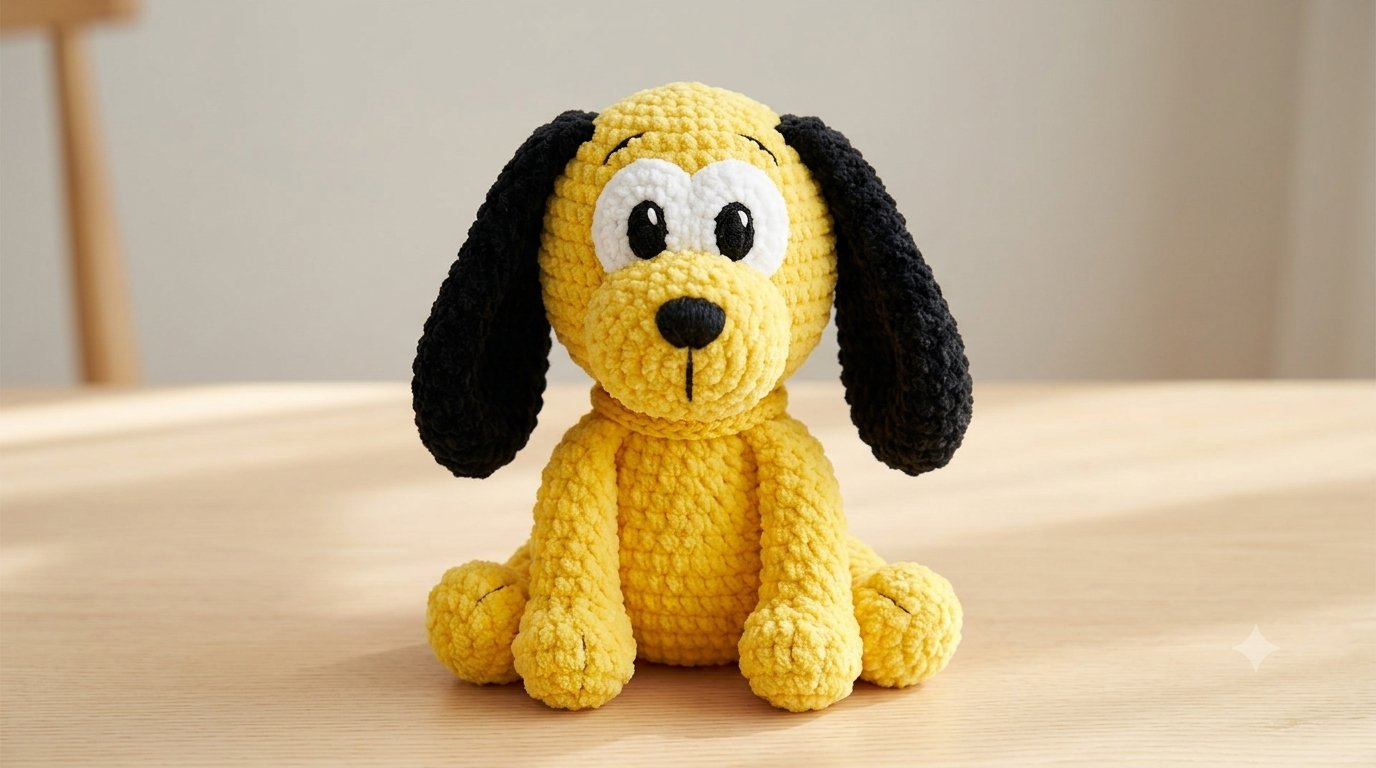
If you enjoy cute animals and small characters, amigurumi can be an especially fun way to learn crochet.
Many beginner amigurumi patterns are made using single crochet, increases, and decreases. You’ll also learn how to crochet in rounds, place stuffing, and join or sew different parts together.
Simple projects such as small bears, bunnies, fruits, mushrooms, or other basic shapes are good starting points. Once you understand how the pieces are constructed, you can begin experimenting with your own color combinations and designs.
4. Small Crochet Baskets
A small basket is a useful project if you want to practice working in rounds while making something practical for your home.
Depending on the pattern, you can experiment with different yarn weights to create a softer or more structured basket. A simple basket can also be used to store yarn, accessories, small toys, or other everyday items.
5. Crochet Flowers
Crochet flowers are small enough to finish without a major time commitment, making them useful practice projects.
They can help you become more comfortable with working into the same stitch, creating increases, and joining your work. Finished flowers can also be used as decorations, hair accessories, gift embellishments, or parts of larger crochet projects.
6. Simple Crochet Headbands
Once you are comfortable with basic stitches, a simple headband can be a good next project. It allows you to practice working in rows while creating something wearable.
You can experiment with different yarn weights and stitches to change the thickness and texture of the finished headband.
Choosing the Right First Project
If you’re not sure which project to start with, consider what you want to practice.
For learning basic stitches, a coaster or small headband is a good choice.
For practicing increases and decreases, try a small keychain or simple amigurumi.
For learning to crochet in rounds, a small basket or amigurumi project can be helpful.
Most importantly, choose something that genuinely interests you. When you enjoy the project, practicing new crochet skills feels much less like work.
Basic Stitches Every Beginner Should Learn
You don’t need to learn dozens of crochet stitches when you’re just starting. A handful of basic stitches will give you a strong foundation and help you understand many beginner crochet patterns.
This guide uses US crochet terminology, which is important to keep in mind because stitch names can be different in US and UK patterns.
1. Chain Stitch (ch)
The chain stitch is one of the first techniques most beginners learn. It is commonly used to create the foundation chain at the beginning of a project.
Chains are also used to create turning chains when working in rows and can appear as decorative spaces in some patterns.
Beginner tip: Try to keep your chains loose and even. If you make them too tight, it can be difficult to insert your hook into them on the next row.
2. Single Crochet (sc)
Single crochet is one of the most useful basic stitches, especially for amigurumi.
It creates a relatively firm and dense fabric, which makes it useful for stuffed animals, small accessories, baskets, and many other projects.
Beginner tip: Pay attention to the top of each stitch. The two strands that form a small “V” are where you normally insert your hook.
3. Half Double Crochet (hdc)
Half double crochet is taller than single crochet and works up more quickly. It creates a fabric that is slightly softer and more flexible.
It is often used for scarves, hats, blankets, bags, and other everyday crochet projects.
Beginner tip: Practice keeping your yarn-over tension consistent. This will help your stitches stay similar in height.
4. Double Crochet (dc)
Double crochet is a taller stitch that allows you to build fabric faster than single crochet.
It is commonly used for blankets, scarves, shawls, garments, and many decorative crochet patterns.
Beginner tip: Because double crochet is taller, it can be easier to accidentally miss a stitch at the beginning or end of a row. Counting your stitches can help prevent your project from becoming wider or narrower.
5. Slip Stitch (sl st)
The slip stitch is a short stitch mainly used for joining crochet work, moving across stitches, or creating neat finishing details.
It is especially useful when working in the round, such as when joining the end of a circle or finishing certain motifs.
Beginner tip: Keep slip stitches fairly loose. Pulling the yarn too tightly can make the edge of your project stiff or difficult to work into.
Practice These Stitches Before Starting a Project
Before beginning your first full crochet project, it can be helpful to practice each stitch on a small piece of yarn.
Try making a few rows of single crochet, then practice half double crochet and double crochet. Pay attention to how the height and texture of each stitch changes.
As you practice, focus on:
- Keeping your tension as consistent as possible
- Counting your stitches at the end of each row
- Identifying the top of each stitch
- Holding the hook and yarn comfortably
- Practicing without worrying about making everything perfect
Once these basic stitches become familiar, reading beginner crochet patterns becomes much easier. You’ll also have the foundation you need to start learning increases, decreases, working in rounds, and shaping techniques.
How to Choose Yarn for a Beginner Crochet Project
Choosing the right yarn can make a noticeable difference when you’re learning to crochet. The yarn you use affects how easily you can see your stitches, how comfortable the project feels in your hands, and how the finished piece looks.
If you’re new to crochet, it’s usually better to choose a yarn that is easy to handle rather than one that simply looks attractive.
Yarn Weight
Yarn weight refers to the thickness of the yarn. For beginners, DK or worsted-weight yarn can be a good choice because the stitches are large enough to see clearly without being difficult to handle.
For small amigurumi projects, thinner cotton yarn is often preferred. The smaller stitches allow you to create detailed shapes, while cotton helps the finished piece keep its structure.
Always check the yarn label before choosing a crochet hook. The label usually includes the recommended hook size and yarn weight.
Cotton Yarn
Cotton is a popular choice for amigurumi and small crochet projects because it creates a firm, defined fabric.
It is also useful when you want your stitches to remain clearly visible while you practice. Cotton yarn is available in many colors, making it easy to experiment with different combinations.
One thing to keep in mind is that cotton has less stretch than some other fibers. If you are used to working with stretchy yarn, it may feel slightly different at first.
Acrylic Yarn
Acrylic yarn is another practical option for beginners. It is generally affordable, widely available, and comes in a large variety of colors.
It can be used for many different projects, including blankets, scarves, accessories, toys, and home decor.
Acrylic yarn can also be a good choice when you want to practice without using more expensive yarn.
Fiber Types
Different fibers behave differently while you crochet.
Cotton: Firm, structured, and excellent for projects where you want clearly defined stitches.
Acrylic: Affordable, versatile, and available in many colors. It works well for a wide range of beginner projects.
Wool: Warm and naturally elastic, but some types can feel less comfortable for beginners or require more care when washing.
Bamboo blends: Smooth and lightweight, although some blends can be more slippery and may take a little practice to control.
Choose a Yarn That Makes Your Stitches Easy to See
When learning crochet, visibility is often more important than texture.
Smooth yarn in a light or medium color usually makes it easier to identify individual stitches. Very dark yarn can make the loops difficult to see, while fluffy or furry yarn can hide the structure of the stitches.
For your first few projects, consider avoiding:
- Very dark yarn
- Extremely thin yarn
- Very fluffy or furry yarn
- Highly textured yarn
- Yarn that splits easily while you crochet
Once you become more comfortable recognizing stitches, you can experiment with more challenging yarns and textures.
How Much Yarn Do You Need?
The amount of yarn required depends on the pattern, yarn weight, hook size, stitch type, and finished size of the project.
For this reason, it is best to check the pattern’s recommended yarn amount before starting. If you are making a project that requires several colors, check the amount needed for each color as well.
For small projects such as keychains or flowers, you may only need a small amount of yarn, while blankets and larger accessories can require several skeins.
A Simple Rule for Beginners
When in doubt, choose a smooth, medium-weight yarn in a color that makes the stitches easy to see. Pair it with the hook size recommended on the yarn label or in your pattern.
As your skills improve, you can try different fibers, weights, colors, and textures. Experimenting with yarn is part of the fun of crochet, but starting with an easy-to-handle yarn can make the learning process much more enjoyable.
Common Crochet Mistakes and How to Fix Them
Making mistakes is a normal part of learning crochet. Even experienced crocheters sometimes have to undo a few stitches and try again. The important thing is learning how to recognize common problems and understand what caused them.
Here are some of the mistakes beginners often encounter and simple ways to fix them.
1. Uneven Stitches
If some stitches are tight while others are loose, your crochet fabric may look uneven. This usually happens because your yarn tension changes while you work.
Try to hold your hook and yarn comfortably rather than pulling the yarn tightly. Practice making several rows while trying to keep the loops on your hook a similar size.
Tip: Don’t worry if your tension isn’t perfect at first. Consistency usually improves naturally with practice.
2. Losing or Adding Stitches
One of the most common beginner problems is ending a row with the wrong number of stitches.
This can happen when you accidentally skip a stitch, crochet twice into the same stitch, or miss the first or last stitch of a row.
How to avoid it:
- Count your stitches at the end of each row.
- Use a stitch marker when working in rounds.
- Pay extra attention to the first and last stitch of each row.
- If a pattern gives a stitch count, use it to check your work regularly.
Fixing a mistake early is much easier than discovering several rows later that your project has changed shape.
3. Gaps Between Stitches
Loose stitches can create unwanted gaps in your crochet fabric. This may be particularly noticeable in amigurumi because stuffing can show through the holes.
If you are making amigurumi, try using a smaller hook and maintaining consistent tension. The stitches should be tight enough to create a firm fabric without making it difficult to insert your hook.
4. Crooked or Uneven Shapes
If a project that should be round starts looking oval, wavy, or uneven, check your stitch count first.
For amigurumi and other stuffed projects, the amount and placement of stuffing can also affect the shape.
Add stuffing gradually and distribute it evenly instead of filling the piece all at once. This gives you more control over the final shape.
5. Making the Wrong Starting Chain
A foundation chain that is too tight can cause the bottom edge of your project to pull inward.
Try making the chain slightly looser than your normal stitches. You can also use a slightly larger hook just for the foundation chain and then switch back to the recommended hook size.
6. Confusing the Front and Back of Your Work
Some crochet projects have a clear front and back, while others look similar on both sides.
When working in rounds, especially with amigurumi, it can be easy to lose track of which side is facing outward.
If the pattern specifies a particular side, place a small marker or keep checking the shape of your stitches as you work.
7. Skipping the Pattern Instructions
Sometimes a project goes wrong simply because a small instruction was overlooked.
Before starting, read through the pattern once so you understand what you will be doing. Pay attention to abbreviations, stitch counts, repeats, increases, decreases, and instructions about joining pieces.
If something doesn’t look right, stop and check the previous round or row before continuing.
Don’t Be Afraid to Undo Your Work
One of the most useful crochet skills is learning when to unravel a few stitches and try again.
If you notice a mistake early, correcting it is usually much easier than trying to hide it. With practice, you’ll become better at spotting mistakes and understanding how to fix them.
Remember that mistakes are part of the learning process. Every project you make gives you another opportunity to improve your tension, stitch control, and confidence.
Simple Ways to Make Crochet More Enjoyable
Learning a new craft takes time, so there is no need to rush through your projects. Crochet becomes much more enjoyable when you give yourself time to practice and choose projects that genuinely interest you.
A few simple habits can make your crochet sessions easier and more relaxing.
Start With Small Projects
Large projects can feel overwhelming when you are still learning. Starting with a small keychain, coaster, flower, or simple amigurumi allows you to practice without making the learning process feel like a long commitment.
Finishing a small project can also give you the motivation to try something a little more challenging next time.
Keep Your Crochet Supplies Organized
Keeping your hooks, yarn, scissors, and needles in one place can save time and make it easier to start crocheting whenever you have a few free minutes.
You can use a small box, basket, or pouch to keep your most frequently used supplies together.
Take Breaks
Crochet involves repetitive hand and finger movements. If you are working on a project for a long time, take occasional breaks and relax your hands.
Short breaks can also help you return to your project with a fresh eye, especially if you are trying to solve a difficult part of a pattern.
Practice Instead of Trying to Be Perfect
Your first projects may not look exactly like the examples in a pattern, and that’s completely normal.
Instead of focusing on perfection, pay attention to what you are learning. Notice whether your tension is becoming more consistent, whether you can recognize stitches more easily, and whether you need less help following a pattern.
Choose Projects You Actually Like
Crochet is much easier to enjoy when you are making something you genuinely want to have.
If you love amigurumi, start with small animals or characters. If you prefer useful items, try coasters, baskets, bags, or accessories.
Choosing projects that interest you can make practicing feel less like a task and more like a hobby.
Keep Practicing Basic Stitches
You don’t have to move on to complicated stitches immediately. Repeating basic stitches is one of the best ways to improve your tension and hand control.
As you become comfortable with chain, single crochet, half double crochet, double crochet, and slip stitch, you’ll find it easier to understand more advanced patterns.
Enjoy the Process
Crochet is not only about the finished item. Learning how a piece is built, choosing colors, trying different yarns, and seeing your skills improve are all part of the experience.
Give yourself permission to make mistakes, undo stitches, and try again. With regular practice, techniques that once felt difficult will gradually become much more natural.
Frequently Asked Questions (FAQ)
1. Is crochet difficult to learn?
Crochet is not difficult to start, but it does take some practice. Most beginners can learn a few basic stitches and make simple projects without knowing advanced techniques.
Your first stitches may feel awkward, especially while you are learning how to hold the hook and control the yarn. With regular practice, your tension and stitch control will gradually improve.
2. What should a beginner crochet first?
Small and simple projects are usually a good place to start. Coasters, flowers, keychains, simple headbands, and basic amigurumi can help you practice without becoming overwhelmed.
Choose a project that uses stitches you already know and has clear instructions.
3. How long does it take to finish a small crochet project?
The time varies depending on the project, yarn, hook size, pattern, and your experience.
A small flower or keychain may take less than an hour once you are comfortable with the pattern, while a beginner making the same project for the first time may need several hours.
4. What crochet supplies does a beginner need?
You don’t need a large collection of supplies. A crochet hook, suitable yarn, scissors, and a yarn or tapestry needle are enough for many beginner projects.
If you want to make amigurumi, you will also need polyester fiberfill. Stitch markers can be particularly useful when working in rounds.
5. What yarn is best for beginners?
Smooth, medium-weight yarn is generally easy to work with because the stitches are easier to see.
Cotton and acrylic are both practical choices. For your first projects, avoid very dark, fluffy, furry, or highly textured yarn because it can make individual stitches harder to identify.
6. Can children learn to crochet?
Children can learn basic crochet with suitable instruction and supervision. The appropriate age depends on the child’s coordination, attention span, and ability to handle a crochet hook safely.
Start with short practice sessions and simple projects rather than expecting a child to complete a complicated pattern.
7. Why do my crochet stitches look uneven?
Uneven stitches are often caused by inconsistent yarn tension. This is very common when you’re learning.
Try to hold the yarn and hook comfortably and avoid pulling the yarn too tightly. Practicing the same stitch repeatedly can help your tension become more consistent over time.
8. Why does my crochet project have too many or too few stitches?
This usually happens when a stitch is accidentally skipped or worked twice.
Count your stitches regularly, especially at the end of each row or round. A stitch marker can also help you identify the beginning of a round and reduce counting mistakes.
9. Can I sell items made from a crochet pattern?
This depends on the pattern designer’s terms of use. Some designers allow finished items made from their patterns to be sold, while others may have restrictions.
Always check the specific designer’s terms before selling finished pieces made from someone else’s pattern.
10. How can I get better at crochet?
The best way to improve is to practice regularly. Start with basic stitches, make small projects, and gradually try techniques that are slightly more challenging.
Don’t be discouraged by mistakes. Learning to recognize and correct them is an important part of becoming a better crocheter.

Yorum gönder